


(Note: this post was originally published on November 10, 2022. It has since been updated with a few tweaks.)
Fall and winter are the seasons for homemade caramel sauce, don't you think? It goes perfectly on just about every cozy dessert, from pies to crisps to cobblers. And while there are a lot of options at the store, there's really no replacement for a homemade caramel. I've been making this rum caramel sauce for years and I'm confident it will become a go-to in your kitchen as well.
If you've never had homemade caramel sauce before, you're in for a treat. It's not hard to make, as long as you're careful; this post is full of step-by-step guidance and all the tricks you'll need. And, unlike the store brands, this flavorful salted rum caramel sauce is free of preservatives, gums, corn syrup, and other unappealing ingredients.
Make sure to bookmark this post since I bet you'll find yourself coming back to it again and again. It's a great make-ahead treat, especially for the busy holiday season; I like to make a batch and keep it tucked away in the fridge for when we have friends over. My favorite way to use it is on a dessert board with apple slices and gingerbread cookies; it's perfect for dunking!
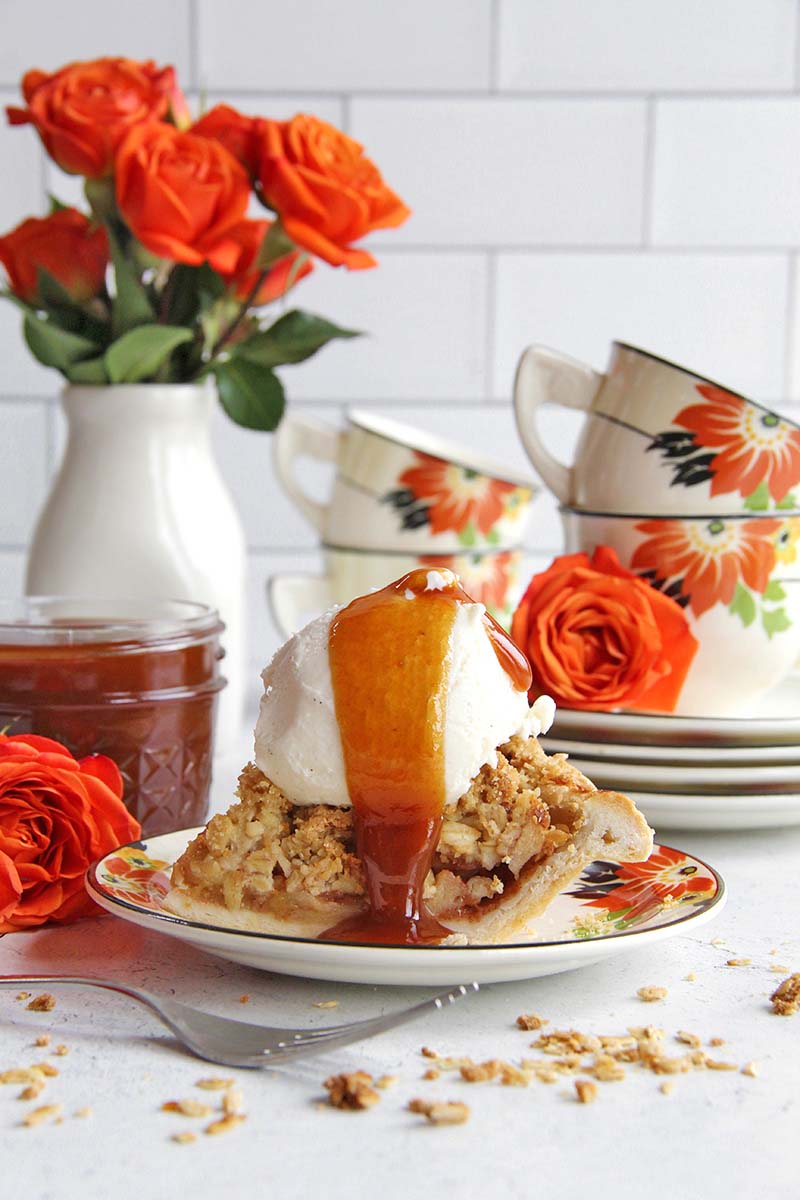
A lot of people feel intimidated to try homemade caramel sauce. To be fair, it can be tricky. But I promise that nothing about this recipe is hard; you just need a little patience and a keen eye (and sense of smell!) to decide exactly when the caramel is done.
This rum caramel sauce is a classic "wet" caramel base (sugar + water), finished with cream or coconut milk, rum, and flaky sea salt. From beginning to end, it will only take 15-20 minutes to make. However, you'll definitely need to pay close attention during this time; it's not a recipe that you can walk away from.
Making caramel sauce (which is not the same thing as chewy caramel candies) involves a few basic steps. First, you'll dissolve the sugar in water over low heat. Next, you'll boil the sugar mixture until deeply caramelized, stopping just barely before it burns. Finally, you'll stir in some cream (or coconut milk; see notes below), rum, and salt.
The only tricky bit is the second piece: boiling the sugar mixture. As sugar caramelizes it will change color, going from clear to yellow to light amber to deep amber. The key is to stop it at exactly the right point. If you don't cook it enough, the caramel won't have enough flavor; conversely, if you cook it too much, the caramel will taste burnt and bitter. Your goal is to cook the sugar and water mixture until the liquid is deep amber in color, with a toasty, caramelized (but not bitter!) smell.
Don't be discouraged if it takes you a couple batches to get it right. Once you master this homemade caramel sauce, I can guarantee that you'll never want to go back to store-bought.
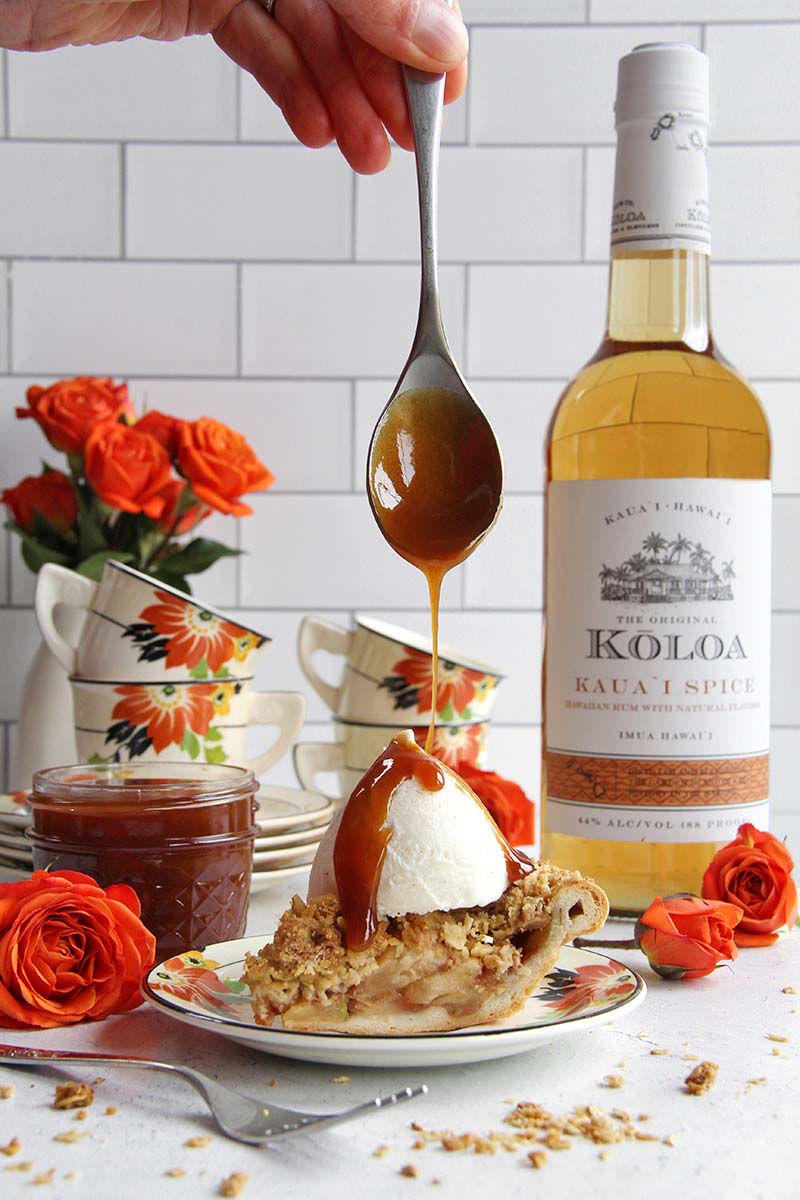
Although I almost always strive to make desserts with healthier ingredients, this rum caramel sauce is an exception. While it's possible to make a caramel sauce with alternative ingredients, the end result just isn't as flavorful as a traditional caramel. So, at least for me, this is a special treat that I make a few times a year during the holidays. That said, if you want to try some alternatives, you can.
I've tried this recipe with coconut sugar and it works well. The challenge isn't that the recipe won't work, but rather that you can't see what's happening. If you use a dark-colored sugar (e.g., demerara or coconut), you lose the ability to see the color development of the sugar as it caramelizes. Accordingly, I suggest using regular, granulated white sugar until you've mastered this rum caramel sauce. Once you can tell when it's done just by smell, try experimenting with some less refined sugars.
This stovetop caramel sauce recipe works well with a vegan cream alternative, although the result isn't exactly the same. I've experimented a lot with this, and my best results have come from using full-fat coconut milk (i.e., the kind in the can, not the coconut milk beverage). Coconut cream can also work, although it's more likely to clump when added to the hot sugar. Note that making a vegan version of this rum caramel sauce yields a slightly less rich texture and a subtle coconut flavor.
Yes, you can certainly omit the rum from this caramel sauce if needed. The resulting flavor is less complex but still delicious. It also works wonderfully with bourbon or aged tequila.
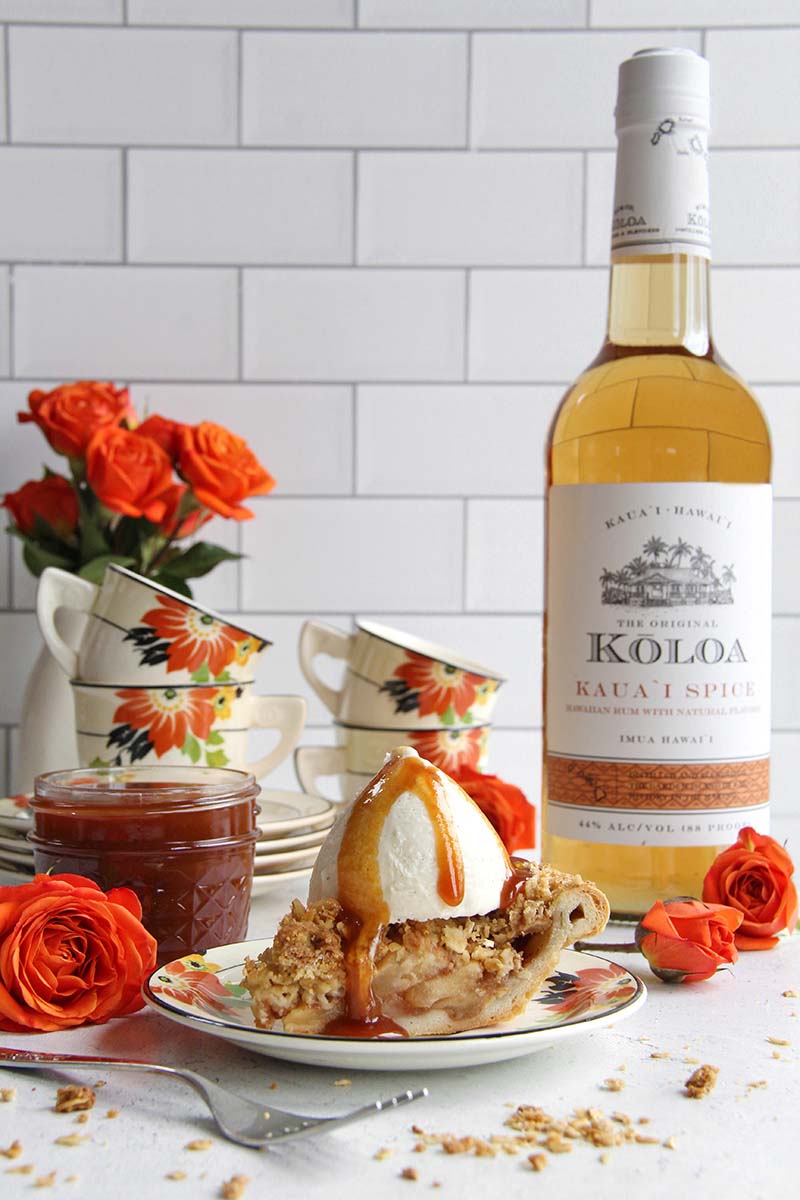
There are many delicious ways to savor this tipsy caramel sauce, not just during the fall but all year long. Here are a few ideas to get you started:
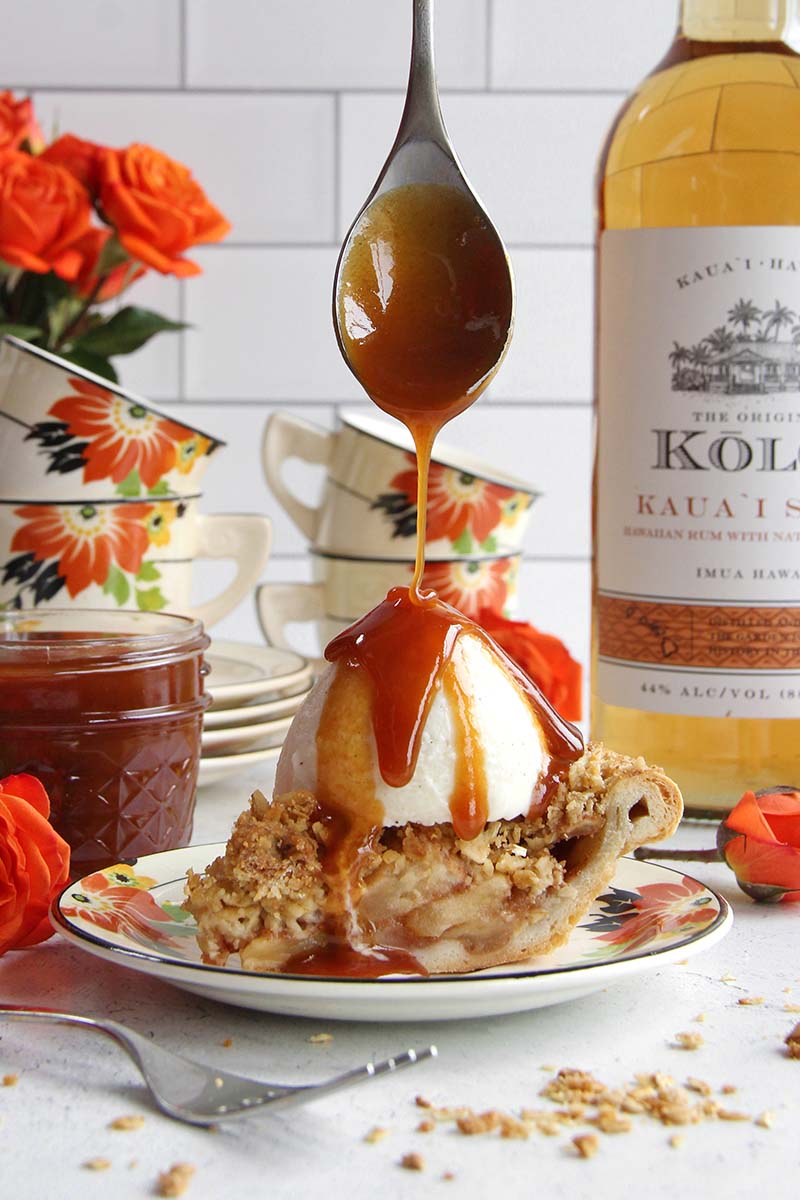
Here's what you'll need for this rum caramel sauce recipe, as well as some thoughts, tips, and possible substitutions. If you make any substitutions, I'd love to hear about it in the comments section below.
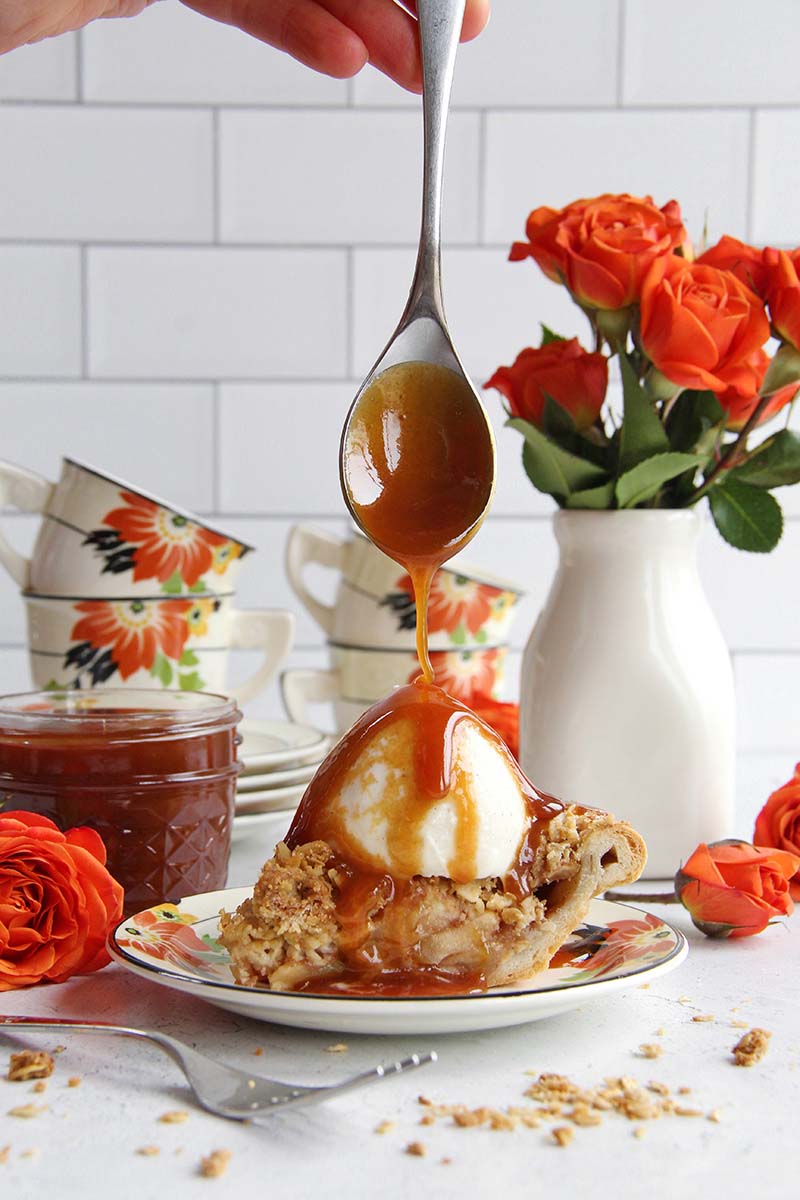
One of the best things about this boozy caramel sauce is that it's make-ahead friendly. You can let it sit in the fridge for up to a week, meaning it's great for fall gatherings, harvest parties, and especially Thanksgiving. It also makes for a great potluck item, hostess gift, or homemade holiday gift. Whether you use it to top apple pie, apple crisp, or ice cream, or even use it as a dip for a fall dessert board, this versatile rum caramel sauce is always a seasonal favorite.
If you've been intimidated by homemade caramel sauce before, I hope you'll give this recipe a try. It's such a special treat during the fall and over the holidays. There's really nothing like the sweet/salty magic of caramel.
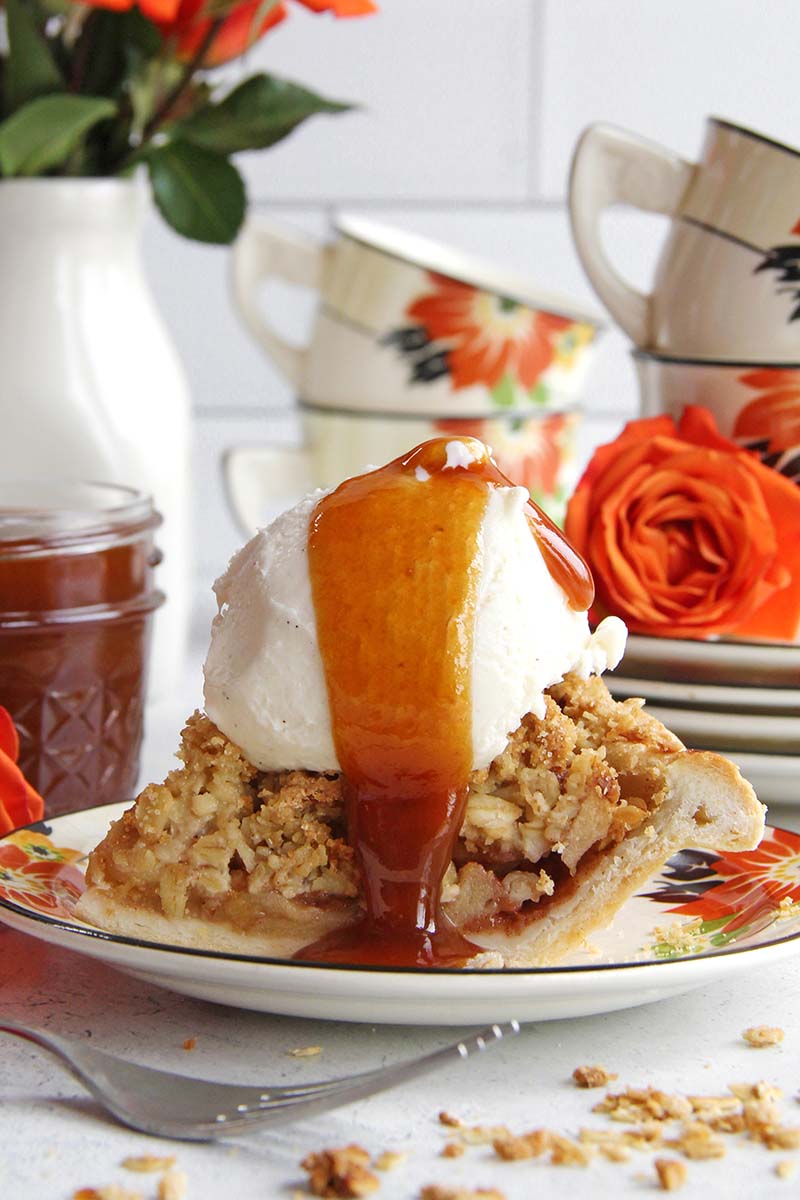
It makes me so happy to hear from you and see your creations! Please leave a comment below and let me know what you think about this recipe. If you post a photo on Instagram, hashtag #TheRogueBrusselSprout and tag me (@TheRogueBrusselSprout) in the post text so that I'm sure to see it.
Apple Cider Donut Blender Cake
Vegan Chocolate Coconut Macadamia Cream Pie
Disclosure: This recipe has been developed through a paid partnership with Koloa Rum. However, all opinions and thoughts are my own. Thank you for supporting the brands that keep The Rogue Brussel Sprout running.
This decadent homemade rum caramel sauce strikes the perfect sweet/salty balance. It's easy to make, deeply flavorful, and a delicious addition to fall and holiday desserts.
Did you make this recipe? Did you make substitutions? How did you serve it? Any helpful tips? Please share your thoughts, since these insights are really useful to both me and to other readers.
Leave a Comment