


Are you ready to meet your new favorite all-purpose ingredient? This comprehensive tahini guide will give you everything you need to know about this versatile, creamy sesame seed butter, including how to choose, store, and use tahini, plus dozens of tahini recipes to try. Whether you're a tahini newbie or a long-time tahini lover, you'll find plenty of ideas, tips, and tricks here.
And if you're looking for tahini recipes, you're in the right place! I've developed a whole collection of vegan tahini recipes, from hummus and sauces to muffins, cakes, blondies, and more.
In this guide, I'll cover:

Tahini is a sesame seed butter with origins in the Middle East. It's created from grinding sesame seeds, usually with their hulls removed, to yield a smooth and creamy paste. It's used in a wide variety of ways throughout Israel, Iran, Iraq, Palestine, and the Mediterranean, including in both savory and sweet dishes.
Generally speaking, tahini has just a single ingredient: sesame seeds. Depending on the region of origin, those sesame seeds can be either raw or toasted and can be either hulled or unhulled. Most tahini available in the US is made from toasted, hulled sesame seeds. Although some producers may add oil, preservatives, or other stabilizers (more on this below), pure tahini should have just sesame seeds.
Overall, tahini has a rich, nutty, earthy flavor that easily complements many different recipes. However, there's a lot of flavor variability between brands, so it may take some experimenting to find the one you love best. High quality tahini should be delicately nutty, very slightly sweet, and have no or little bitterness. Conversely, lower-quality tahini (or tahini made from unhulled sesame seeds) can have a more assertive flavor and bitter overtones.
While nut butters are made from nuts, tahini is technically nut-free and is made from seeds. Although the two are made in similar ways, the resulting textures are very different. Nut butter tends to be much thicker, with a stickier texture. Tahini, on the other hand, is smoother, creamier, and can usually be poured right from the jar.

Good news: tahini is both a delicious AND a nutritious ingredient to add to your diet. There are a lot of reasons to consider adding this decadent, nutrient-dense sesame seed butter into your rotation.
Tahini is a very healthful ingredient as long as it is used in moderation, since it is quite calorie-dense; the serving size is generally two tablespoons. In particular, it's a good source of healthy fats thanks to the sesame seeds. Tahini also has some other benefits beneficial nutrients like calcium, iron, and magnesium. It even contains less common nutrients like copper and selenium.
The nutrition varies brand-to-brand, but generally tahini's calorie content and fat content are similar to nut butter. The brand I always use at home has about 95 calories and 8.5 g of fat per tablespoon, as well as 3 g of protein.
Tahini is friendly for many diets. Because it's made from only a single ingredient (sesame seeds), tahini is naturally vegetarian, vegan, gluten-free, and grain-free. It's also paleo-friendly, low in carbohydrates, and even keto-friendly. It works well as a nut butter substitute for people with nut allergies (although make sure the tahini is not processed in a facility that also processes nuts if you have an allergy). Most people can enjoy tahini except for those following very low-fat diets and anyone with a sesame seed allergy.
As always, if you follow a special diet, make sure to check the label for additional information. Some brands add sneaky oils, preservatives, salt, and even sugar, and some brands may not be safe for those with nut allergies.

Although tahini used to be seen as a niche ingredient in the US, it's now readily available at virtually all artisan grocery stores and even many mainstream grocery stores. That said, there's a huge difference between artisanal tahini brands and generic store brands, so it's a product that's worth sourcing correctly.
My personal favorite brand is Soom Tahini, which you can order online (or, click here if you're on mobile to open it right in the Amazon app). I've also enjoyed other artisan brands. Alas, I haven't been happy with the more generic store brands, nor with the bulk tahini buckets at various health food markets; the latter always taste more bitter to me and have a grainy texture.
There are a few ways to tell if the tahini you're considering purchasing is of high quality. Most importantly, it should be made from just a single ingredient: hulled sesame seeds (possibly with a bit of salt). There should be no added oil and no added sugar. Second, the tahini should look pale in color, more like cashew butter than peanut butter, and should be smooth and creamy rather than sticky or gloppy.
Natural tahini (just sesame seeds, without added oil or stabilizers) can separate. That's fine; don't be alarmed if you see some separation in the jar. You'll be able to stir it back together easily.
If you choose to buy tahini in the grocery store rather than ordering online, you can usually find it in the same aisle as the nut butters. However, some stores may also have it with their ethnic foods; in that case, look in the Middle Eastern section.
High-quality tahini can be pricey because the process of creating tahini is labor-intensive and requires specialized equipment. A jar of high-quality tahini may be $12-$15. It's worth it though, especially because most tahini recipes call for a relatively small amount. You can also make your own at home (see below), but it can be time consuming and the sesame seeds themselves can also be pricey.
Yes, you can make your own tahini at home in a food-processor just like you can make your own nut butter. Tahini takes longer, though, since you need to toast (or soak, depending on the recipe) and then grind the sesame seeds. Personally, I prefer to let the pros handle the tahini making!
Although each brand is different, most tahini is shelf-stable. That said, especially if you live somewhere warm and/or aren't using the tahini quickly, you can prolong its life by storing it in the refrigerator. Regardless, make sure the tahini is in a relatively cool and dark place. Always check the storage instructions and expiration date from whichever brand you choose to purchase.
Importantly, where you store tahini can determine its texture. If you store it in the pantry, it has a thinner, creamier texture. Conversely, if you store it in the refrigerator, the texture can thicken and it can become hard toward the bottom. For tahini that has been refrigerated, especially for a longer period of time, you may need to stir it thoroughly to return it to its creamy consistency.

From savory to sweet, there are a myriad of ways you can use this decadent sesame seed butter. Tahini is most well-known for its role in Middle Eastern dips like hummus and baba ganoush, but it's also fabulous in sauces, dressings, and even as an ingredient in baking.
Generally speaking, yes; tahini is a good substitution for nut butter in many applications. This can be especially useful if you have nut allergies or have a child who needs to bring nut-free lunches to school. Although the texture of tahini is thinner, it generally works well as a 1:1 substitution. If you're baking, you may want to increase the dry ingredients very slightly to compensate for tahini's thinner texture. Of course, using a recipe optimized for tahini (see many ideas below) will always yield the best results.
Generally speaking, yes; tahini can be a good substitution for oil in many recipes. The texture is different though, so you'll likely want to look specifically for oil-free recipes designed to use tahini. It works beautifully in sauces and dressings, and even in baking (again, see examples below). A key benefit of using tahini instead of oil is that, while oil is essentially empty calories, sesame seeds provide healthy fats, protein, various other nutrients, and a lot more flavor.
Tahini is a key ingredient in chickpea hummus. If you're new to tahini, homemade hummus is a great place to start using it because hummus is easy, requires just a few ingredients, and there are an infinite number of variations to try. Store-bought hummus is expensive and often loaded with oil, preservatives, and/or stabilizers, so try your hand at one or a few of these recipes:

Tahini is a fabulous ingredient in dressings and sauces because it provides a creamy, rich texture and excellent flavor. It also allows you to make oil-free salad dressings, which is a big win nutritionally.
My all-time favorite multi-purpose condiment is this Turmeric Tahini Sauce. It works beautifully on anything from salads to bowl meals to roasted veggies, and even as a dip. Make sure to check out the options for adding various citrus juices to tweak the flavor profile.
Looking for others? There are many different tahini salad dressing options in my homemade plant-based salad dressing guide. And if you're looking for tahini sauces, you'll find many here on the blog including:

Tahini is a wonderful ingredient in baking, thanks both to its nutty flavor and to the fact that it can serve as an oil replacement. Make sure you're using a baking recipe designed for tahini though, since it has a thicker texture than oil and doesn't always work well as a 1:1 swap. I have a lot of tahini recipes here on the blog for you to explore:

Although there are a wide array of tahini recipes to explore, it also can be used as-is, right out of the jar. Try drizzling it on top of salads or bowl meals for a rich finish, or try using it as a dip with fresh fruit for a nourishing snack or dessert. You can blend a tablespoon or two into a smoothie to add some healthy fats, stir it into oatmeal, drizzle it on top of pancakes or waffles, spread it onto a sandwich instead of mayo, or even use it in as a sauce on top of ice cream. There are an infinite number of ways to incorporate this creamy sesame seed butter into your diet.

Don't have tahini on-hand? Most importantly, get your hands on some! Recently, I've just been ordering online for ease (click here if you're on mobile to open it right in the Amazon app). But if you're in a pinch, there are a few ways to substitute tahini. That said, tahini is unique in its flavor and texture, so generally speaking these substitutions aren't ideal.
Tahini can sometimes be substituted by nut butters. Cashew butter is usually the best option because it has a light color, a delicate flavor, and is creamier than other types. This can work well in baking recipes, although keep in mind that you may need to increase the amount of wet ingredients slightly (or possibly add a dash of oil) to account for the different texture. Peanut butter, almond butter, walnut butter, and pecan butter will not work as well because of their darker colors and thicker textures.
Olive oil (or other neutral oils) can also work in place of tahini, although you'll be altering the nutrition of the recipe significantly. This tends to work best in salad dressings, sauces, and some dips. You'll likely want to use less oil than the amount of tahini that the recipe calls for.
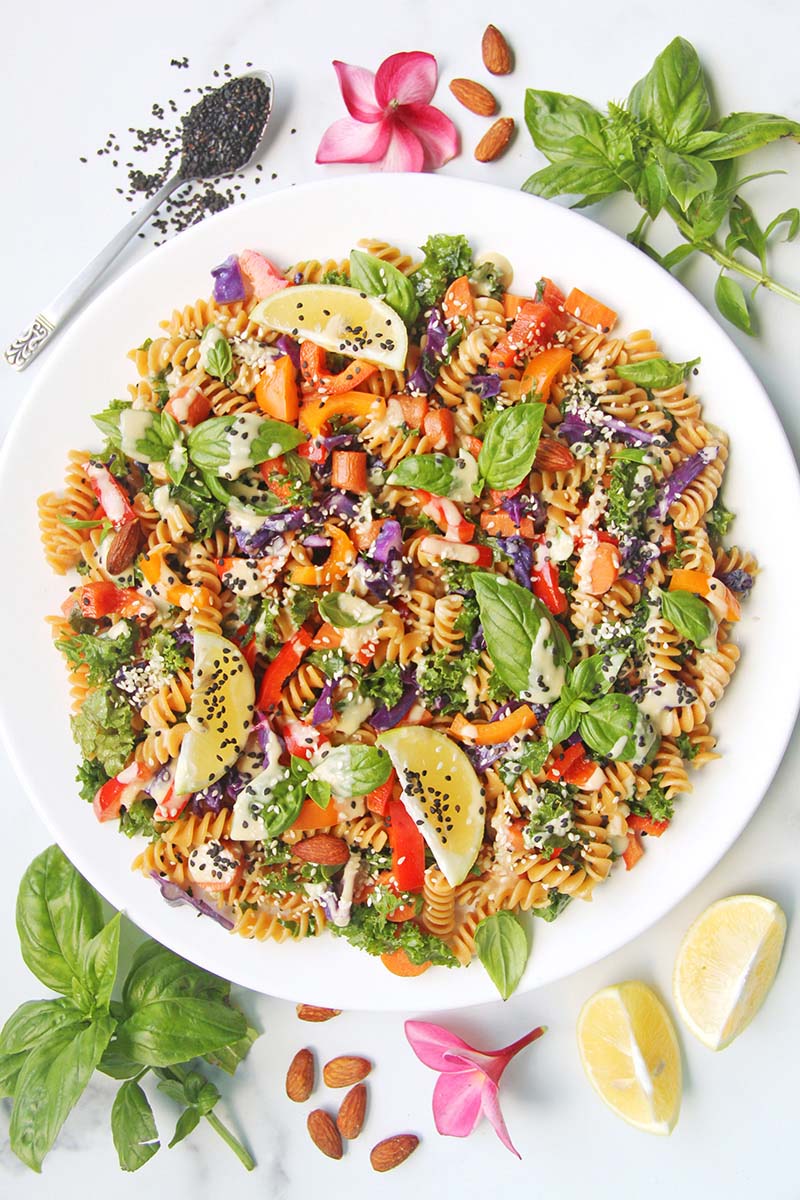
I hope you've found this tahini guide helpful and that it has given you some good ideas about what tahini is, how and where to find tahini, the nutritional benefits of tahini, and how to use tahini in recipes. From hearty chickpea hummus to creamy sauces to oil-free salad dressings and even baked goods, this Middle Eastern sesame seed butter is a versatile ingredient that deserves to play a starring role in your kitchen. Try some of the tahini recipes above and I bet you'll fall in love with this liquid gold!
Disclosure: This post may contain affiliate links. If you purchase something through one of these links, I may earn a small commission at no additional cost to you.
This tahini guide gives you everything you need to know about this delicious, versatile, Middle Eastern sesame seed butter. It includes information about buying and storing tahini, tahini nutrition, how to use tahini, and links to tahini recipes.
An Easy Tahini Maple Mustard Dipping Sauce
Did you make this recipe? Did you make substitutions? How did you serve it? Any helpful tips? Please share your thoughts, since these insights are really useful to both me and to other readers.
Leave a Comment